Accident Reporting: Speak Up, Learn and Help Make Powered Access Safer
When something goes wrong on site, even if nobody is hurt, it is worth reporting.
A near-miss, a damaged platform, an unexpected movement or a minor incident can all reveal something important about how powered access is being used. Reporting those events helps the industry understand where risks are developing and where working practices, training or guidance may need to improve.
IPAF has collected accident and near-miss data from around the world for many years, using that information to identify trends and shape future safety advice. You can read IPAF’s latest accident report here
At JMS Powered Access, we think that matters. Every report has the potential to help stop the same thing happening again somewhere else.
What Should Be Reported?
Accident reporting is not just for serious incidents.
IPAF encourages the reporting of:
- Fatalities
- Major and minor injuries
- First-aid incidents
- Near-misses
- Damage to equipment
- Damage to property
Near-misses are especially valuable because they give the industry a chance to learn before someone is injured.
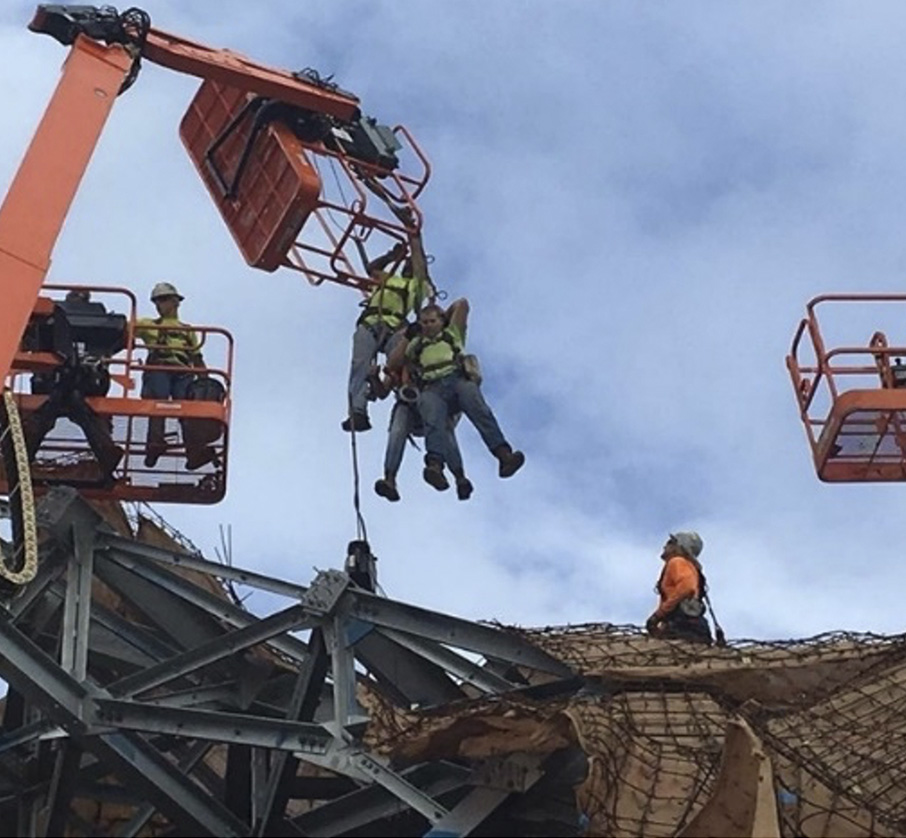
If a boom comes too close to an obstruction, a platform moves unexpectedly, a machine loses stability or an incident damages equipment without hurting anyone, there may still be an important lesson to take from it.
Why Near-Misses Matter
It is easy to dismiss a near-miss because the job carried on and nobody was hurt.
But the difference between a near-miss and a serious incident can sometimes be very small.
Reporting what happened gives safety organisations like IPAF more information to work with. When similar reports start appearing from different sites or countries, they can identify patterns that would be difficult to see from one incident alone.
Those patterns can then influence safety campaigns, operator guidance and training.
That is why reporting should be viewed as part of improving safety, not simply as paperwork after something has gone wrong.
Reporting Should Help People Learn
MEWP operators should hold the correct IPAF qualification for the equipment they are A good safety culture encourages people to report incidents without feeling that the first question will be who is to blame.
The useful questions are:
- What happened?
- Why did it happen?
- Were the right controls in place?
- Could the same thing happen again?
- What can be changed to reduce the risk?
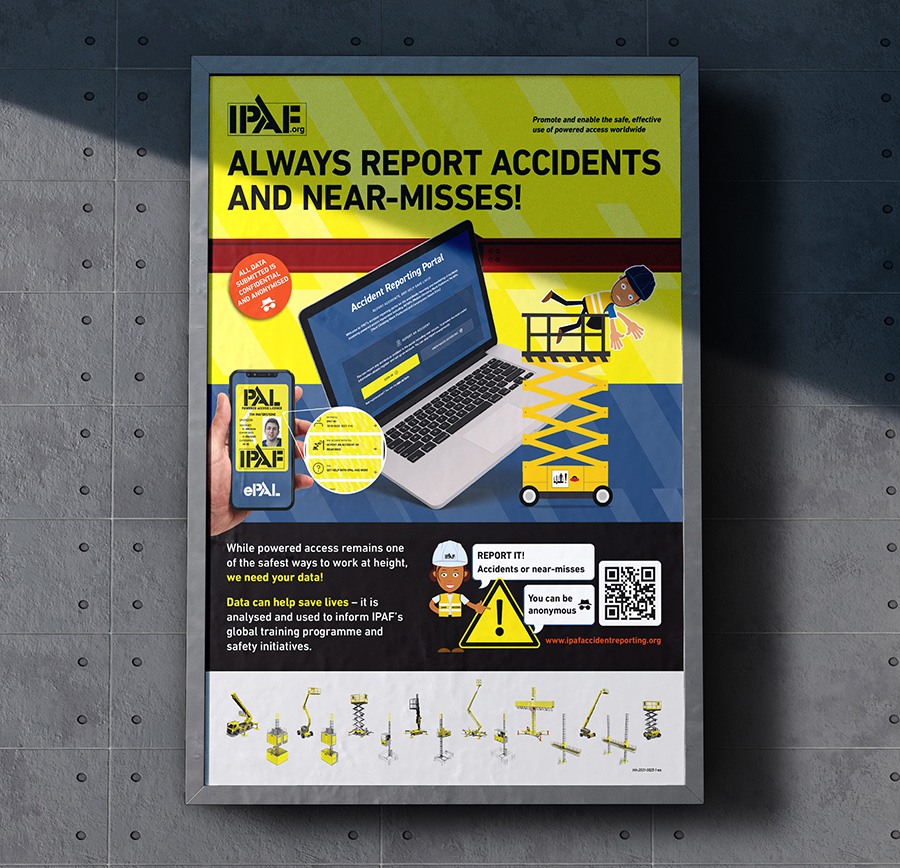
IPAF’s accident reporting system is designed to collect confidential, anonymised information so that the wider industry can learn from what happened.
For employers and site teams, the same principle should apply locally. Reporting gives managers and operators an opportunity to review what happened and make practical improvements where they are needed.
How Can an Accident or Near-Miss Be Reported?
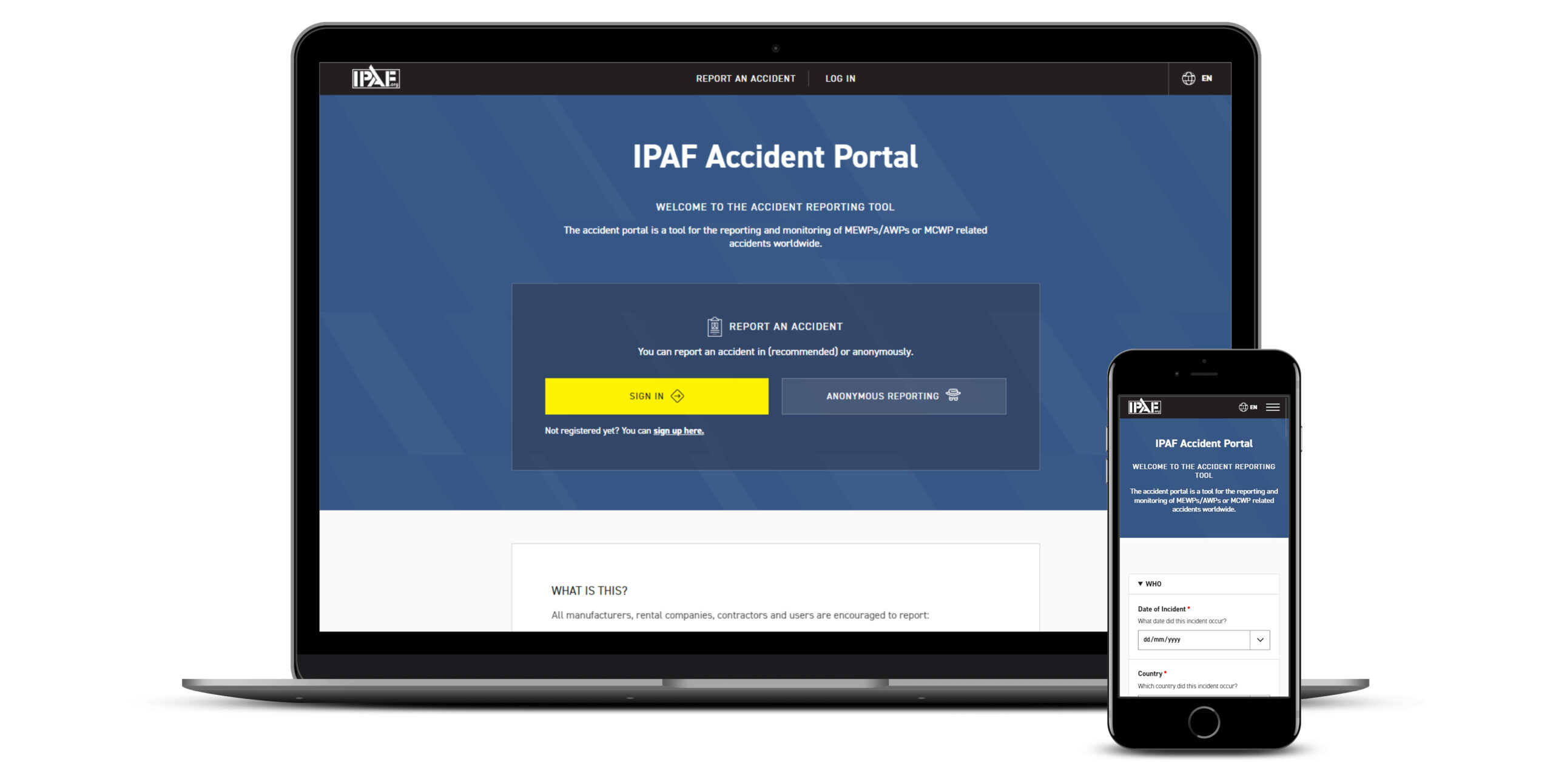
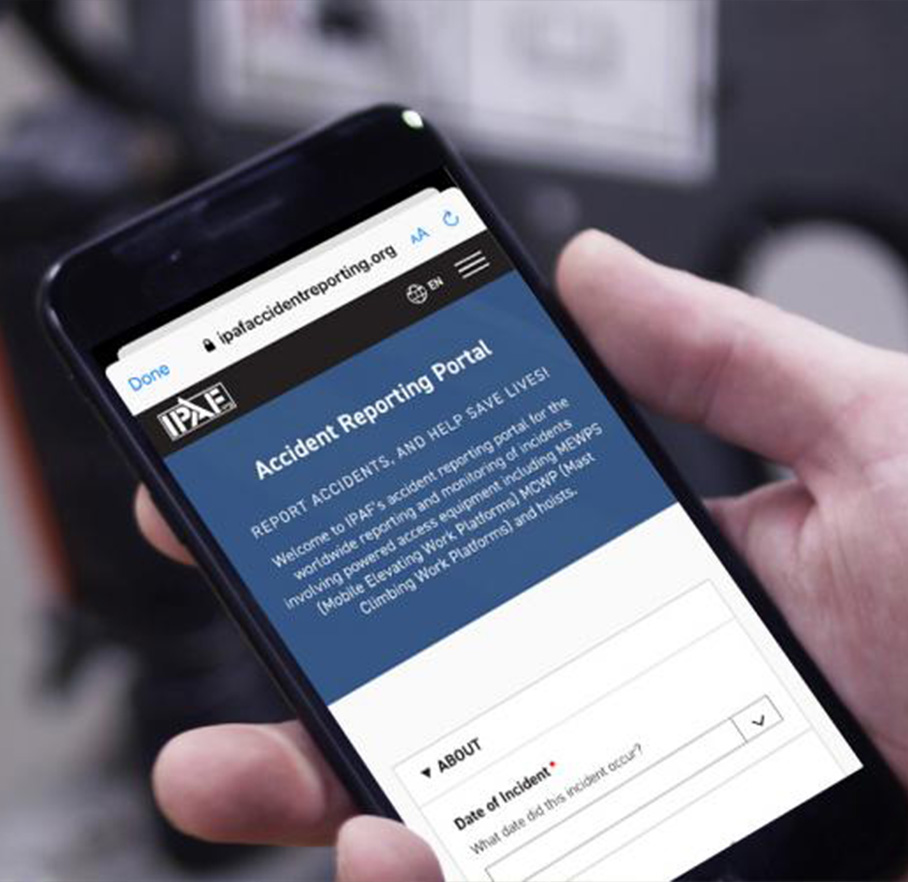
IPAF provides an online Accident Reporting Portal for incidents involving powered access equipment.
Operators can also report incidents and near-misses through the ePAL app, making it easier to record something that has happened or been witnessed while working on site.
The important thing is not to assume an event is too small to report. Near-miss information can be just as useful as data from an accident because it can highlight a risk before someone gets hurt.
What Does IPAF Do With the Information?
Once reports are submitted, IPAF analyses the anonymised data to look for recurring risks and trends.
This helps build a clearer picture of how accidents are happening across the powered access industry. The findings can then feed into safety campaigns, technical guidance, operator training and IPAF’s Global Safety Report.
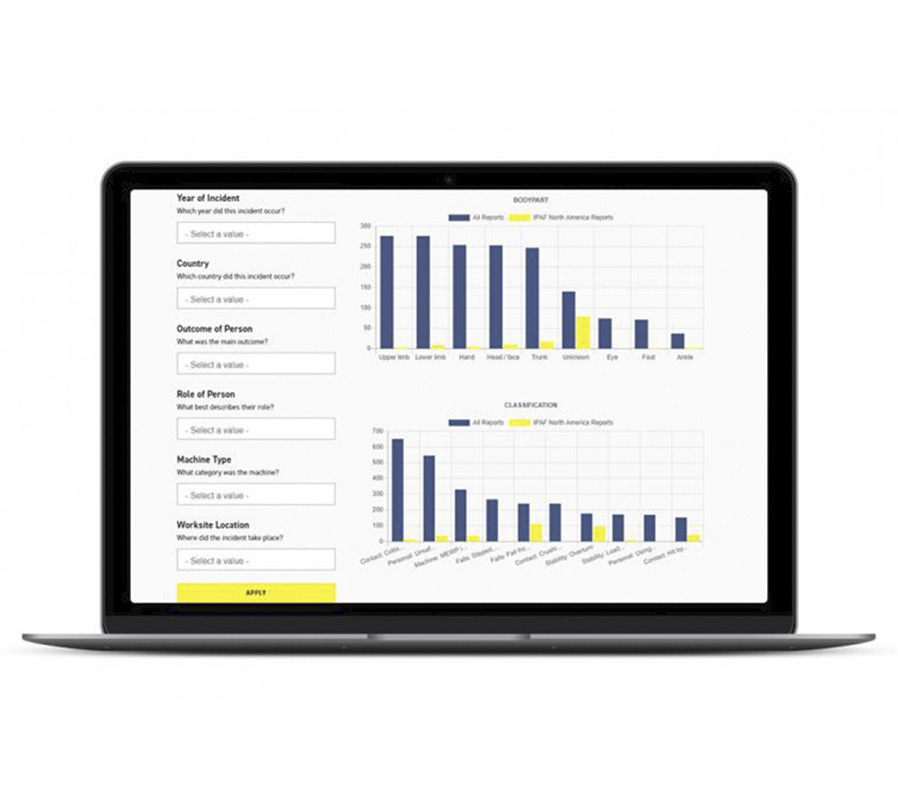
IPAF has also developed its accident reporting dashboard so participating organisations can compare their own anonymised information against wider industry data.
For businesses, that can provide another useful way to spot trends and review whether existing controls are working as intended.
Training Helps Turn Lessons Into Safer Working
Accident reporting tells the industry where problems are happening. Training helps operators understand how to avoid them.
JMS offers a broad range of IPAF training for people who operate, supervise or manage powered access equipment. This includes courses for scissor lifts, boom lifts and static platforms, as well as harness training, PAL+ and MEWPs for Managers.
Proper training gives operators the knowledge to recognise hazards, understand the limitations of the equipment and respond appropriately when site conditions change.
Reporting and training work together. One helps identify the lessons. The other helps put those lessons into practice.
If Something Happens, Report It
MEWP operators should hold the correct IPAF qualification for the equipment they are Not every accident can be prevented by looking at what happened in the past, but ignoring incidents and near-misses means losing valuable information.
Reporting helps turn individual experiences into lessons that can improve safety across the powered access industry.
If you use MEWPs on site and something goes wrong, or nearly goes wrong, take the time to report it.
For advice about powered access hire or IPAF training, contact JMS Powered Access on 0345 457 0000.